
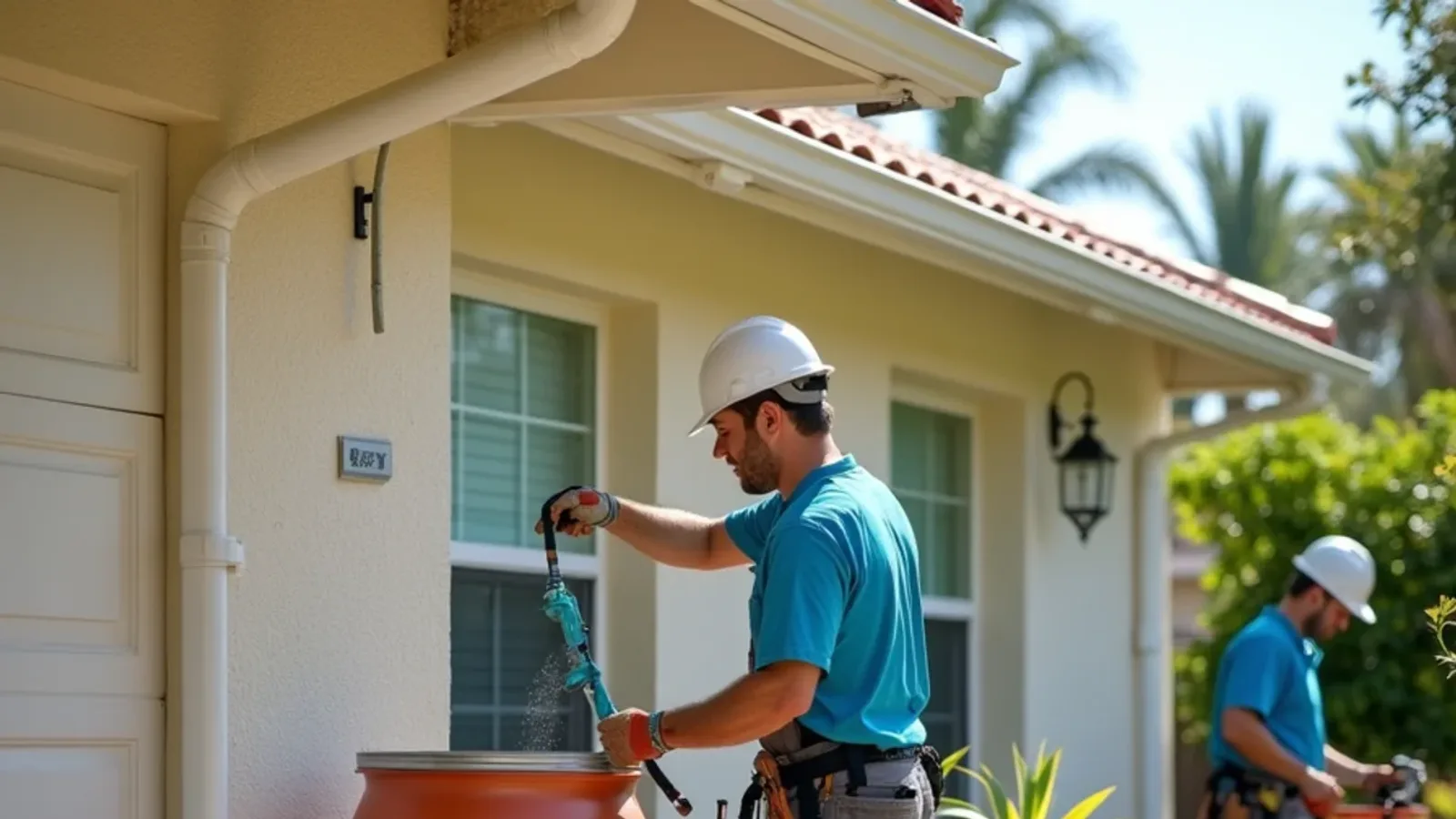
By Chance, owner of Southern Gutters FL · Published · Last updated
Key takeaways
- On a typical South Florida roof section, a standard barrel can fill in the first few minutes of an afternoon storm.
- A diverter that sends excess water back down the downspout beats an overflow hose that dumps beside the wall.
- Every opening needs fine mesh, and the barrel should be used and emptied regularly so water does not sit for a week.
- Before a named storm, drain the barrel, restore the full downspout and secure or store the barrel.
- Rain barrel water is for plants, not drinking or cooking.
Yes, a rain barrel works in South Florida if you plan for how fast our storms fill it. Connect it with a downspout diverter so overflow returns to the downspout, screen every opening against mosquitoes, use the water within a few days, and drain and store the barrel whenever a tropical storm is forecast.
A rain barrel looks like the simplest home project there is: set a drum under the downspout and let the sky fill it. In South Florida, three things make it trickier than the garden-center box suggests. Our storms are fast and heavy, so a barrel fills in minutes and the overflow matters more than the barrel. Our mosquitoes breed in any container left uncovered. And for half the year, anything sitting loose in the yard is a potential projectile.
Here is how to set one up so it waters your plants without flooding the foundation, raising mosquitoes or flying into the neighbor’s window in September.
How much rain harvesting in Florida actually collects
A common rule of thumb says one inch of rain falling on 1,000 square feet of roof produces roughly 600 gallons of runoff. Most downspouts only drain part of the roof, but even a modest section sends far more water than one barrel holds.
| Roof area feeding the downspout | Half-inch storm | One-inch storm | Barrels filled (55-gallon) in a one-inch storm |
|---|---|---|---|
| 250 sq ft | About 78 gallons | About 156 gallons | Nearly 3 |
| 500 sq ft | About 156 gallons | About 312 gallons | More than 5 |
| 1,000 sq ft | About 312 gallons | About 623 gallons | More than 11 |
The takeaway is not that you need a dozen barrels. It is that the barrel is full early in most summer storms, and everything after that is overflow. Plan the overflow first.
Rain barrel downspout hookups: diverter or open top?
There are two basic ways to connect a barrel.
Open-top under a cut downspout
The downspout is shortened and ends over a screened lid. It is simple, but once the barrel fills, the full flow pours out of an overflow port or over the rim. Unless that overflow is piped well away from the house, you have recreated the short-elbow problem right at the foundation.
Downspout diverter
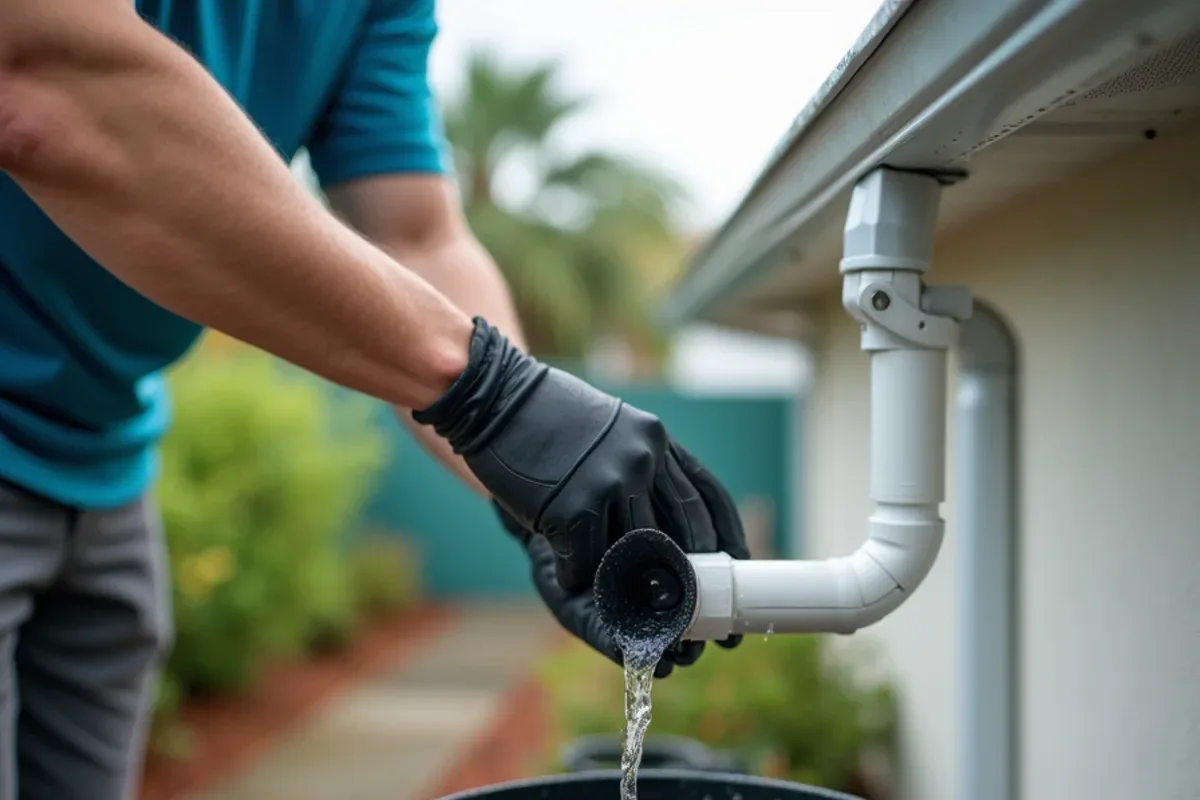
A diverter is a fitting installed in the downspout that sends water through a small hose into the barrel until it is full, then lets the rest continue down the downspout to its normal extension or buried line. It keeps the downspout working as designed, and the barrel inlet stays small and easy to screen. For most South Florida homes we prefer this approach.
Pick the downspout carefully. A back or side corner near the beds you water keeps the barrel out of street view, which many HOAs prefer. Avoid a downspout that already feeds an underground line, since the diverter can starve that line of the steady flow that keeps it flushed, and skip any corner where a full barrel would block a gate, AC pad or walkway.
Rain barrel mosquito screens and other must-haves
The container-breeding mosquitoes common in South Florida can go from egg to adult in about a week in warm weather. A barrel is only a good idea if they cannot get in.
- Fine mesh on every opening: the inlet, the overflow and any vent. Window screen is the minimum; finer mesh is better.
- A tight lid that cannot be pushed aside by wind or animals.
- Use the water: drain the barrel onto beds every few days in summer so nothing sits for a week.
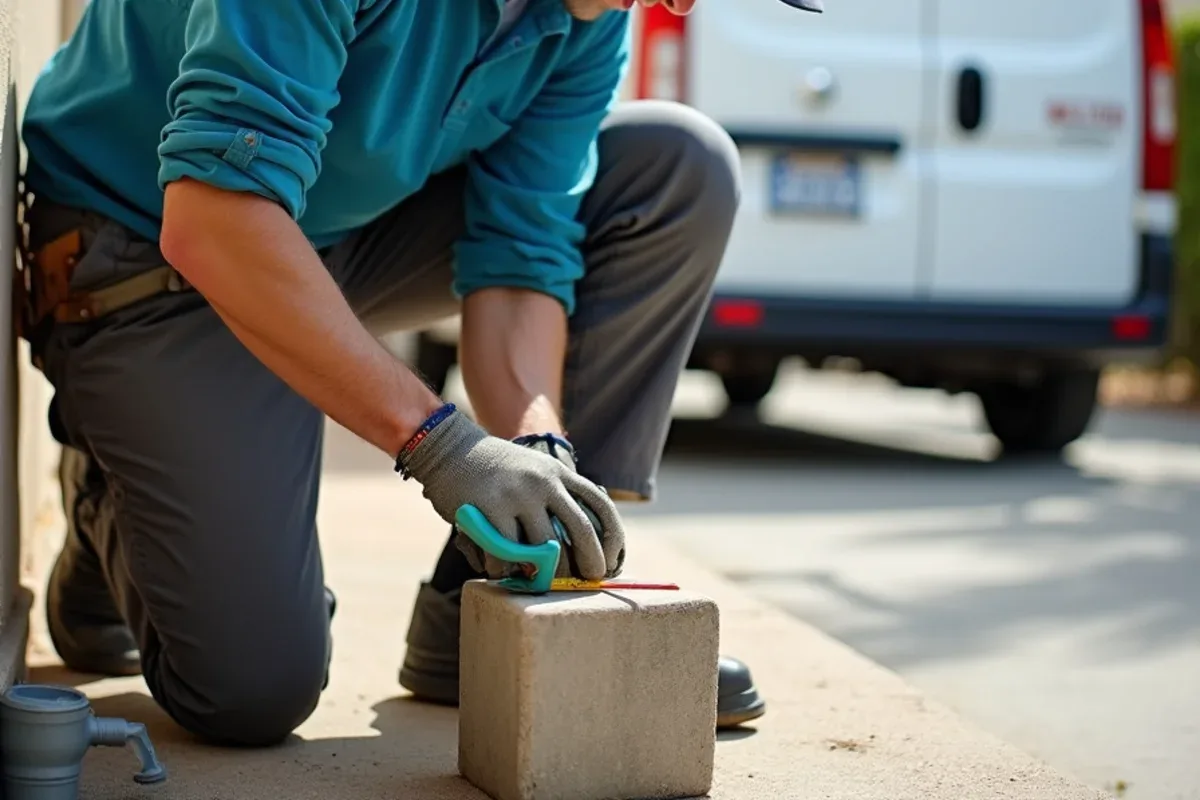
- A level, solid base: concrete blocks or a stand raise the spigot for a watering can and keep the barrel from tipping when full.
- Opaque material: light-blocking barrels slow algae growth.
Check the screens monthly. A torn corner or a lid knocked ajar by a raccoon defeats the whole setup.
Hurricane season: drain, disconnect, secure
Hurricane season runs June 1 through November 30. When a storm is forecast, an empty plastic barrel is light enough to blow around, and a full one is heavy enough to topple and crack. Neither is what you want during tropical-storm winds.
- Drain the barrel onto the lawn or beds.
- Close the diverter or reconnect the full downspout so the gutter has its whole outlet during the storm.
- Move the barrel into the garage or strap it to a fixed anchor.
- After the storm, check the gutters and downspout for debris before reconnecting.
The gutter matters more than the barrel
A barrel only collects what the gutter delivers. A trough packed with palm fronds overflows long before any water reaches the diverter, so keep up with gutter cleaning through the rainy season.
Water conservation in Florida: where a barrel earns its spot
Even in a place that gets this much rain, irrigation is regulated. The South Florida Water Management District sets year-round landscape watering rules, and many cities layer their own schedules on top. A barrel will not replace sprinklers, but it is a handy supply for container plants, vegetable beds, orchids and anything you water by hand during the dry season, roughly November through April.
Barrels make the most sense near a garden bed, at a downspout that does not already feed a buried line, and where the overflow can rejoin a downspout that discharges properly. In Palm Beach County, county extension offices and some utilities have offered rain barrel workshops; it is worth checking for one near you.
Homes with large yards and garden beds, like many around Boca Raton, often run two barrels linked at the base so one diverter fills both.
What we notice on rain barrel setups around South Florida
Most barrels we are asked to look at were installed with good intentions and one weak link. The most common is the base. A full 55-gallon drum weighs several hundred pounds, and set on loose mulch or sandy soil it slowly leans until the lid gaps open or the stand kicks out after a soaking storm.
Next is the overflow. A hose that drops the extra water two feet from the wall puts a roof section’s worth of runoff right where the old elbow used to, and the stucco staining comes back by August. Third is a diverter set too high on the downspout, so the barrel never fills past halfway.
Then there is the gutter itself. A barrel under a trough lined with black olive leaves collects brown, smelly water and a layer of sludge, and the diverter screen clogs within weeks. A clean gutter upstream does more for barrel water quality than any filter.
Barrel upkeep checklist
- Monthly: inspect the lid and every mesh screen for tears or gaps; UF/IFAS extension guidance suggests fiberglass window screen as the minimum.
- Every few days in summer: draw the water down onto beds so nothing sits long enough for larvae to mature.
- If you spot wigglers: drain the barrel, or use a mosquito dunk containing Bt and follow its label.
- Once or twice a year: empty, scrub with a dilute bleach solution and rinse well, as extension agents recommend.
- Before each named storm: drain, close the diverter and move or strap the barrel.
The honest trade-off is attention. A barrel that gets used and checked is a small, steady water source for hand-watered plants. One that gets forgotten becomes a mosquito nursery beside the patio, and in that case the downspout is better off without it.
What a professional install adds
You can set up a basic barrel yourself. Our rain barrel installation service is for homeowners who want it done once and done right: we pick the downspout that makes sense, cut in a diverter at the correct height, build a stable base, confirm the overflow returns to the downspout, and check that the gutter section above is clean and pitched toward that outlet.
If the downspout itself is undersized, crushed or dumping at the wall, we will say so and fix that first through downspout installation and repair. A barrel bolted to a bad downspout just moves the problem.
Rain barrels that work with your gutters, not against them
In South Florida a rain barrel is less about how much it holds and more about what happens after it is full. A diverter that returns overflow to the downspout, tight screens, a solid base and a storm-season routine turn it into a useful source of water for orchids and vegetable beds.
If you want it set up once and set up right, call Southern Gutters FL for a free estimate. We will choose the downspout, check the gutter above it and install the diverter at the correct height.
Questions about rain barrel south florida
Are rain barrels legal in Florida?
Yes, collecting rainwater from your roof for landscape use is allowed in Florida. Your HOA may have rules about color, placement or visibility from the street, so check your community documents before installing one in a front yard.
Can I drink water from a rain barrel?
No. Roof runoff picks up bird droppings, roofing material, pollen and debris. Use barrel water for plants, not for drinking, cooking or filling pets’ bowls.
Should I empty my rain barrel in the rainy season?
Use it often rather than leaving it full. In summer heat, drain it onto beds every few days, keep all screens intact, and drain it completely before any tropical storm or hurricane.
How do I keep mosquitoes out of a rain barrel?
Seal every opening with fine mesh, keep the lid tight and use the water every few days during the wet season. Container mosquitoes in South Florida can mature in about a week in warm weather, so stale water is the real risk. If larvae appear, drain the barrel or add a Bt mosquito dunk according to the label.
How many rain barrels can one downspout fill?
More than most people expect. Using the common rule of about 0.6 gallon per square foot per inch of rain, a downspout draining 500 square feet of roof can fill several 55-gallon barrels in a one-inch storm. Linking two barrels at the base is practical; beyond that, overflow planning matters more than added storage.
Services mentioned in this guide
Rain Barrel Installation
Rain barrels fitted with downspout diverters, sealed mosquito screens and overflow routed away from the house.
Learn moreDownspout Installation & Repair
Crushed, loose or undersized downspouts replaced, extra outlets added and straps reset tight to the wall.
Learn moreGutter Cleaning Service
Hand-cleaned gutters, every downspout flushed and tested, roof-edge debris bagged and hauled away.
Learn moreServing Palm Beach County, Boca Raton and the rest of South Florida.