
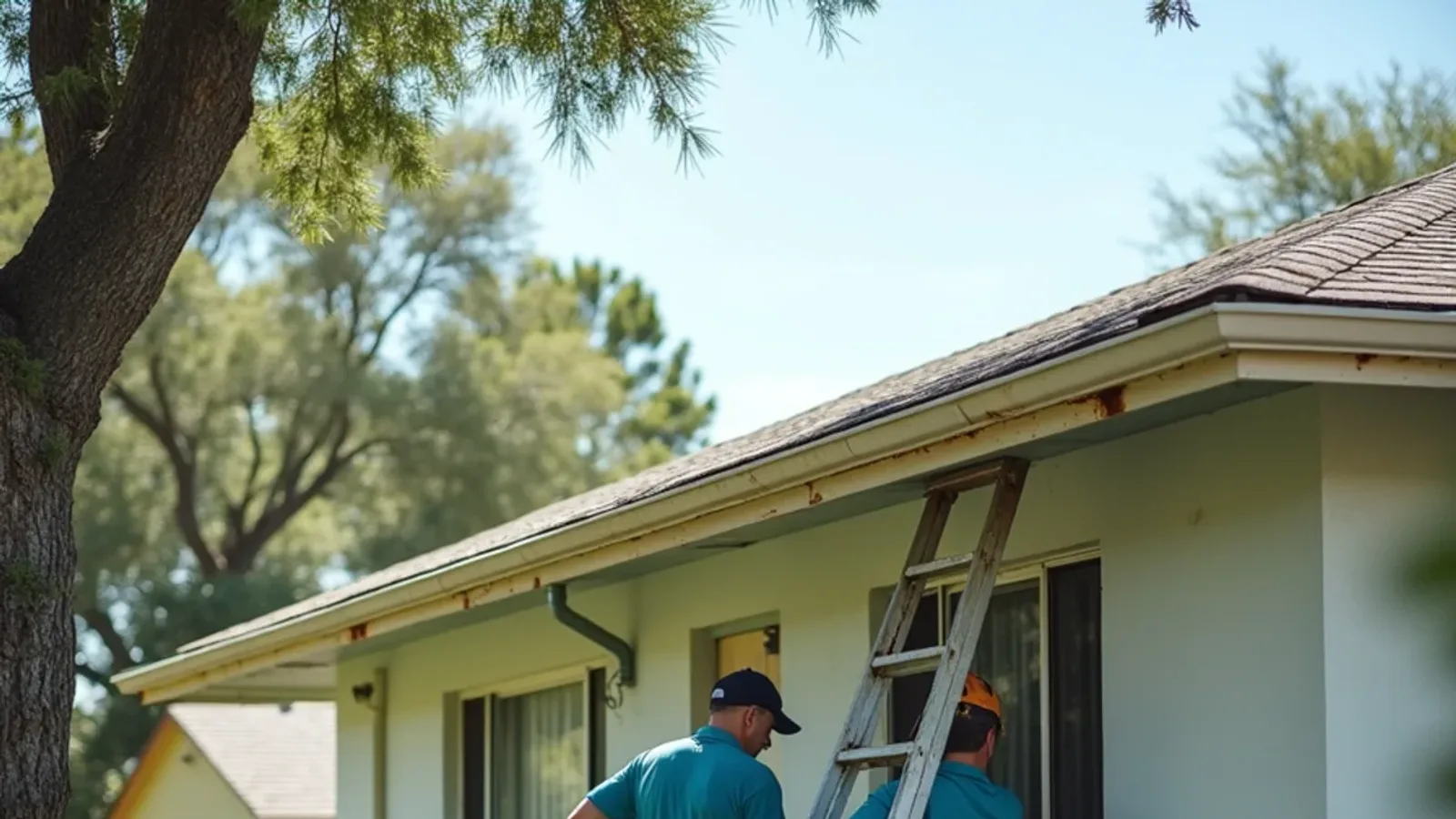
By Chance, owner of Southern Gutters FL · Published · Last updated
Key takeaways
- One leak or one sagging section is usually a repair; the same problems in several places point to replacement.
- Rust-through on older steel gutters cannot be patched reliably and tends to spread.
- Soft or rotted fascia behind the gutter is a sign water has been escaping for a long time.
- Gutter lifespan in Florida depends heavily on material, hardware and how often the troughs sat full of wet debris.
- If a roof replacement is coming, plan the gutter decision at the same time.
Replace gutters when the same problems show up in several places at once: leaks at many seams, sagging that returns after re-hanging, rust-through, cracked vinyl or long stretches of rotted fascia. One drip or one low spot is usually a repair. Widespread failure, or any rust holes in steel gutters, means patching is just postponing replacement.
Most gutters do not fail all at once. They drip at one joint, then two, then a section starts to dip, and each fix buys a little time. Knowing when to replace gutters instead of patching them again comes down to spotting the problems that signal the whole system is worn out, not just one piece.
We go through this question with homeowners every week, and plenty of the time the right answer is a repair. Below are the nine signs that push us toward replacement, sorted by where you will notice them: from the yard, from a ladder, and inside or around the house. After the list there is a simple table for weighing repair against replacement.
Signs gutters need replacing that you can see from the yard
1. Leaks at several seams at once
Watch the gutters during a downpour. A single drip at one joint is an easy reseal. Drips at four or five joints along the same side tell you the sealant across the whole system has reached the end of its life, and resealing will only move the leak to the next weak spot.
2. Sagging that comes back after re-hanging
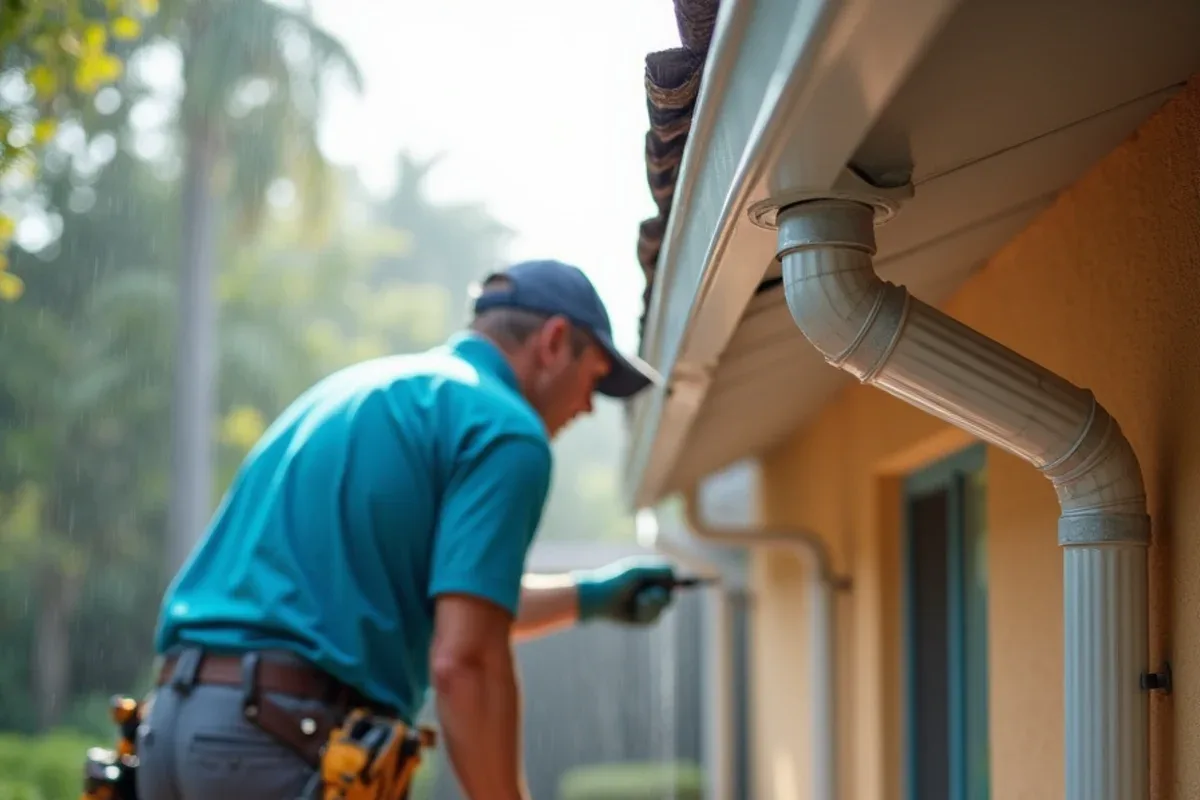
A gutter that dips between hangers can usually be lifted and re-pitched. If it was re-hung a year or two ago and is drooping again, the metal may be stretched, the fascia may no longer hold screws, or both. That pattern rarely ends with another round of hangers.
3. Peeling, chalky or blistered finish
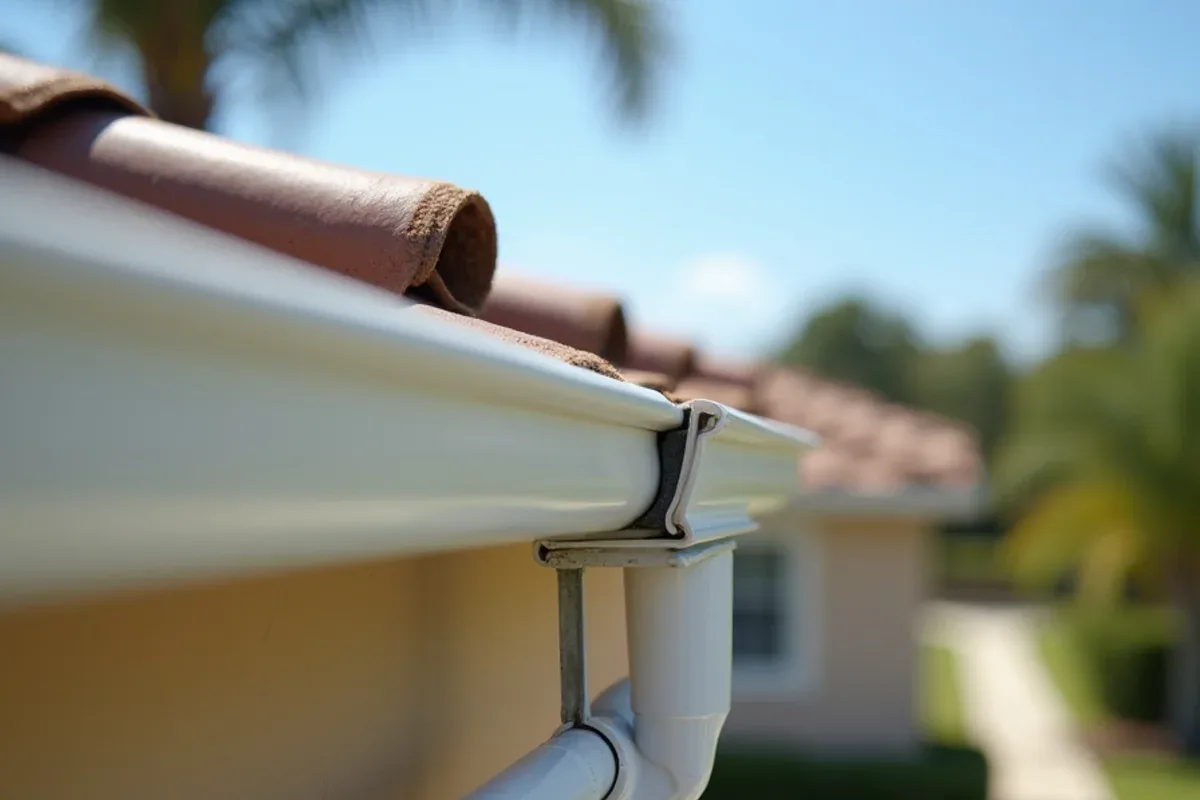
Paint on aluminum gutters fades slowly under Florida sun, which is cosmetic. Paint that is blistering or flaking in patches is different: it often means water has been sitting in the trough or seeping through the metal, and the coating is lifting from below.
Rusted gutters, cracks and other ladder-level signs
4. Rust spots or holes
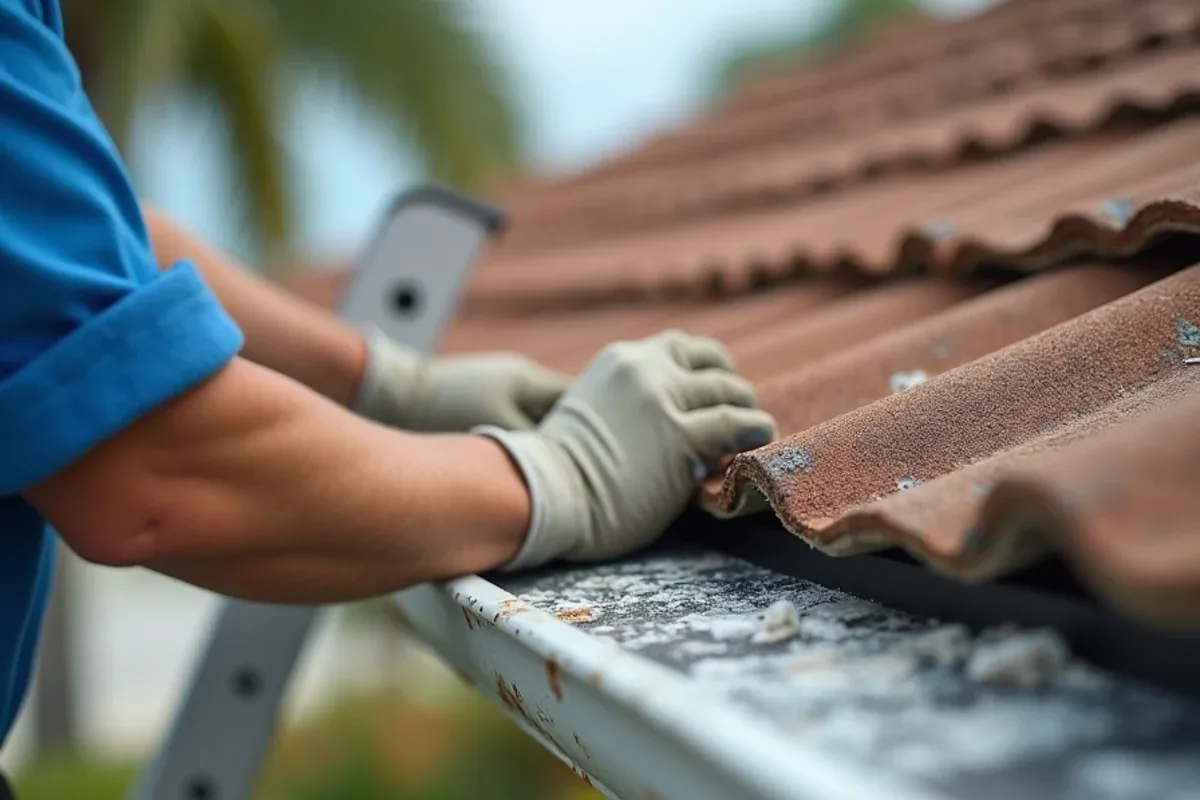
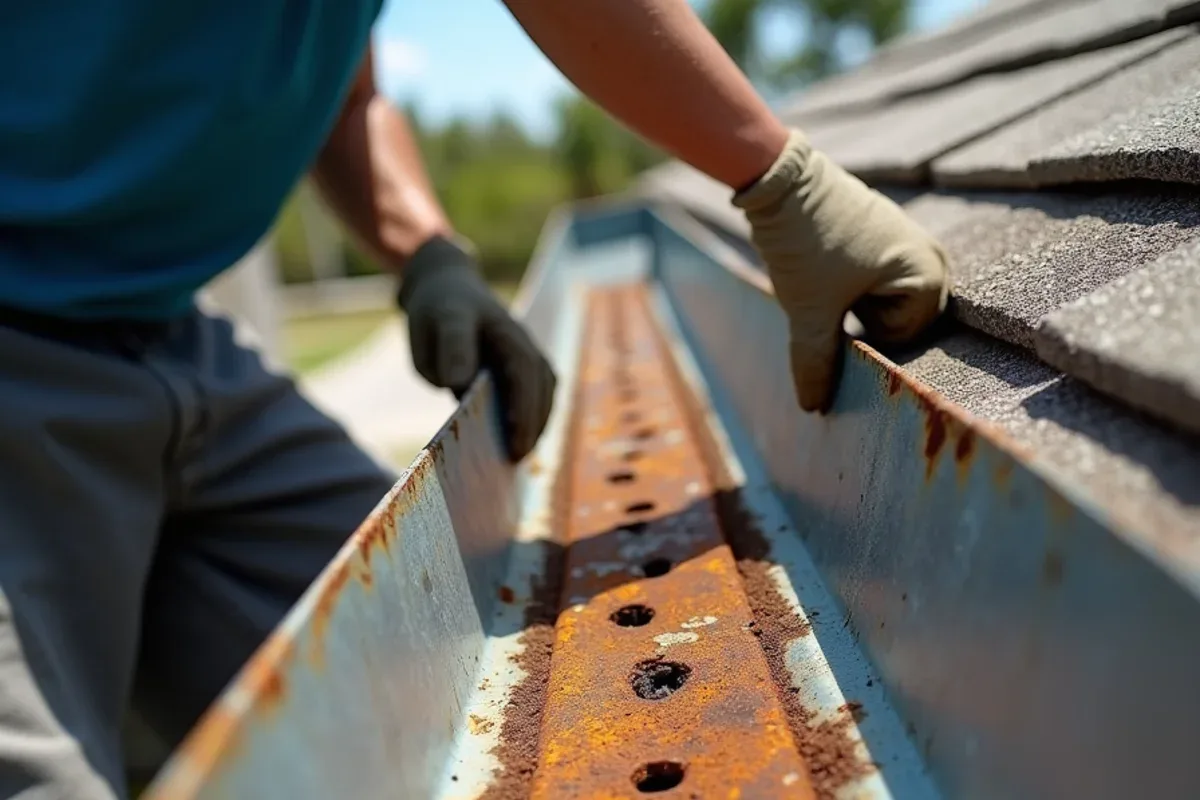
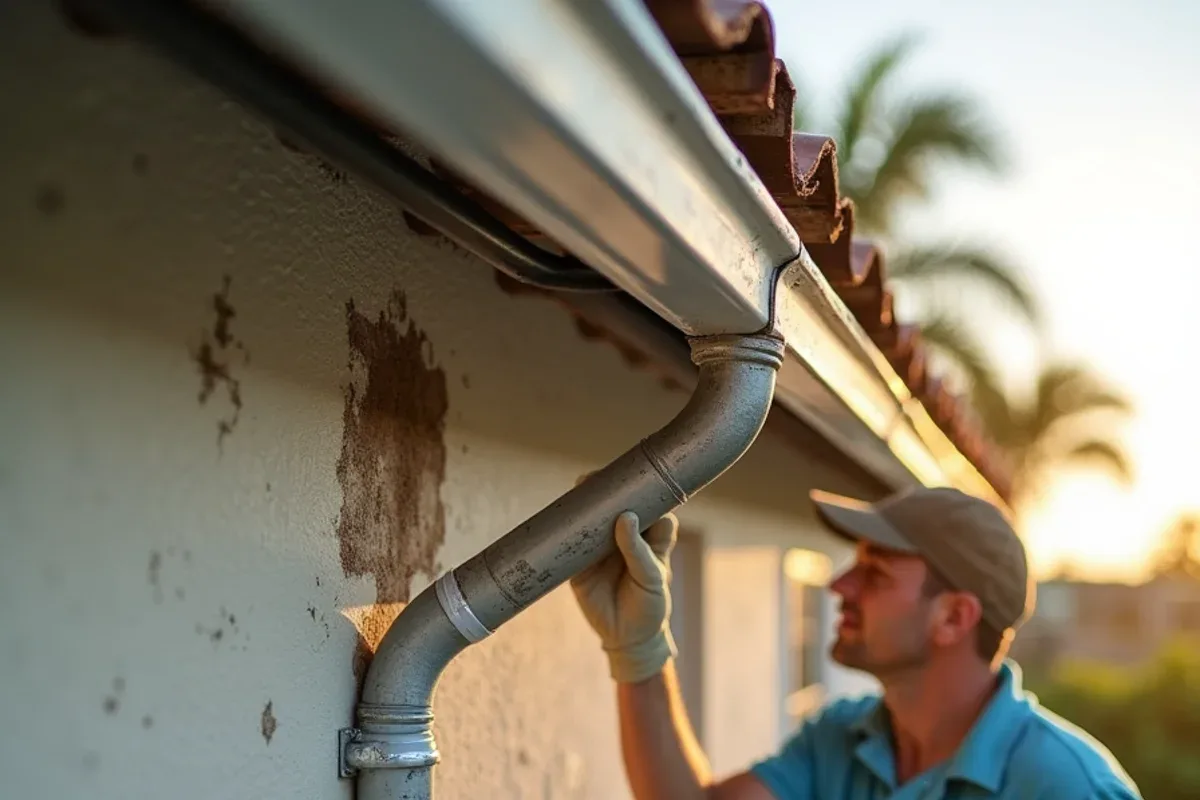
Many older homes still carry galvanized steel gutters. Once the zinc coating wears through, rusted gutters develop orange streaks, then pinholes, then open holes along the bottom of the trough. Patching rust-through is a short-term fix because the corrosion keeps working under the patch.
5. Cracks and splits in the trough
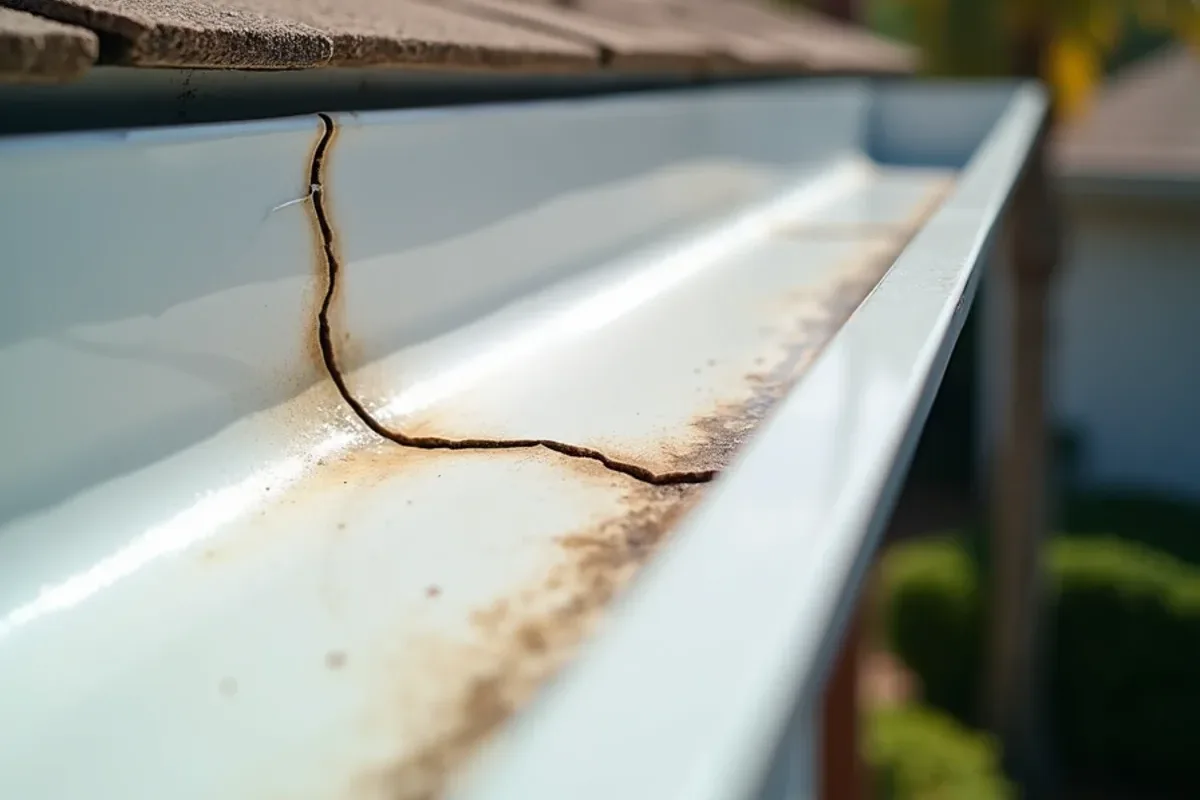
Vinyl gutters turn brittle after years of ultraviolet exposure and can crack when a ladder leans on them or a branch lands. Aluminum can split at corners and outlets that were stressed by heavy debris loads. One crack is repairable; a run with several means the material is tired.
6. Hangers pulling out of soft fascia
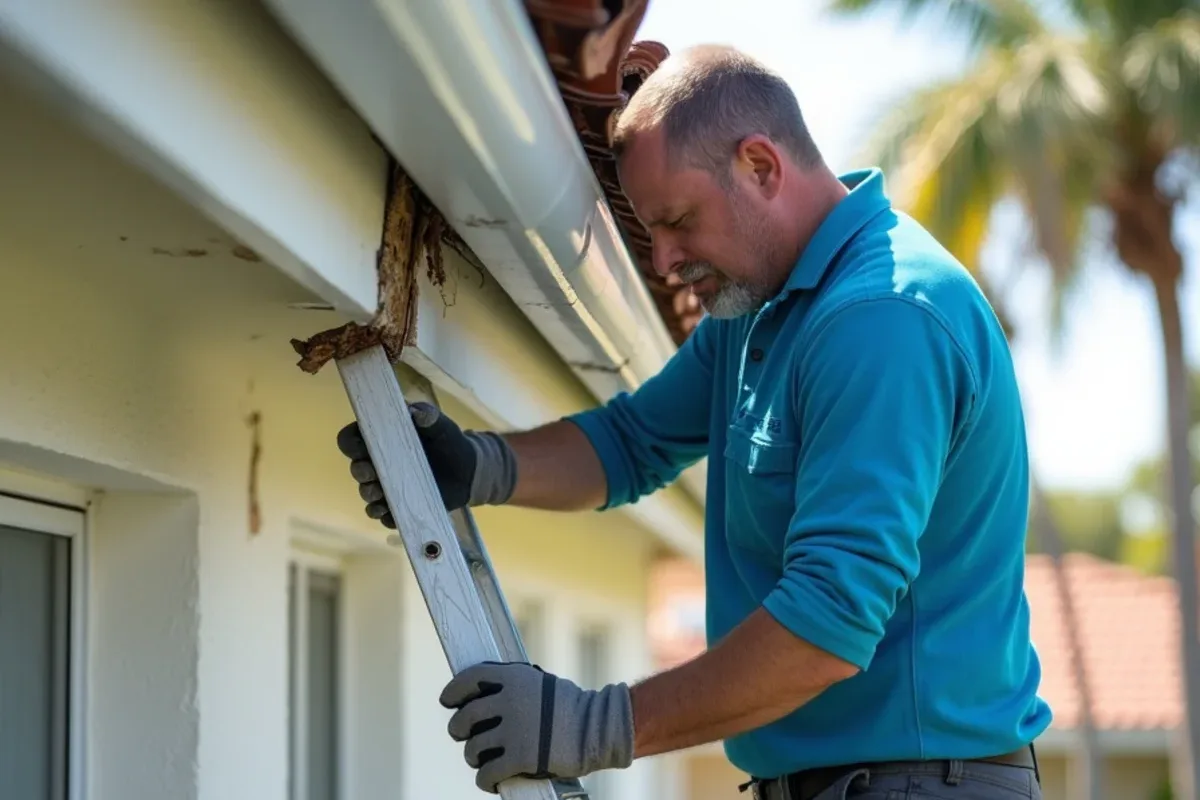
Press on the fascia board next to a hanger with a screwdriver. If the tip sinks in, the wood is rotting, and no gutter will stay attached to it for long. The fascia needs repair either way, and pulling the gutter to do it is often the moment to replace it too. Our guide on rotted fascia behind gutters shows what to look for.
Signs that show up on walls, floors and landscaping
7. Water stains and mildew lines on stucco
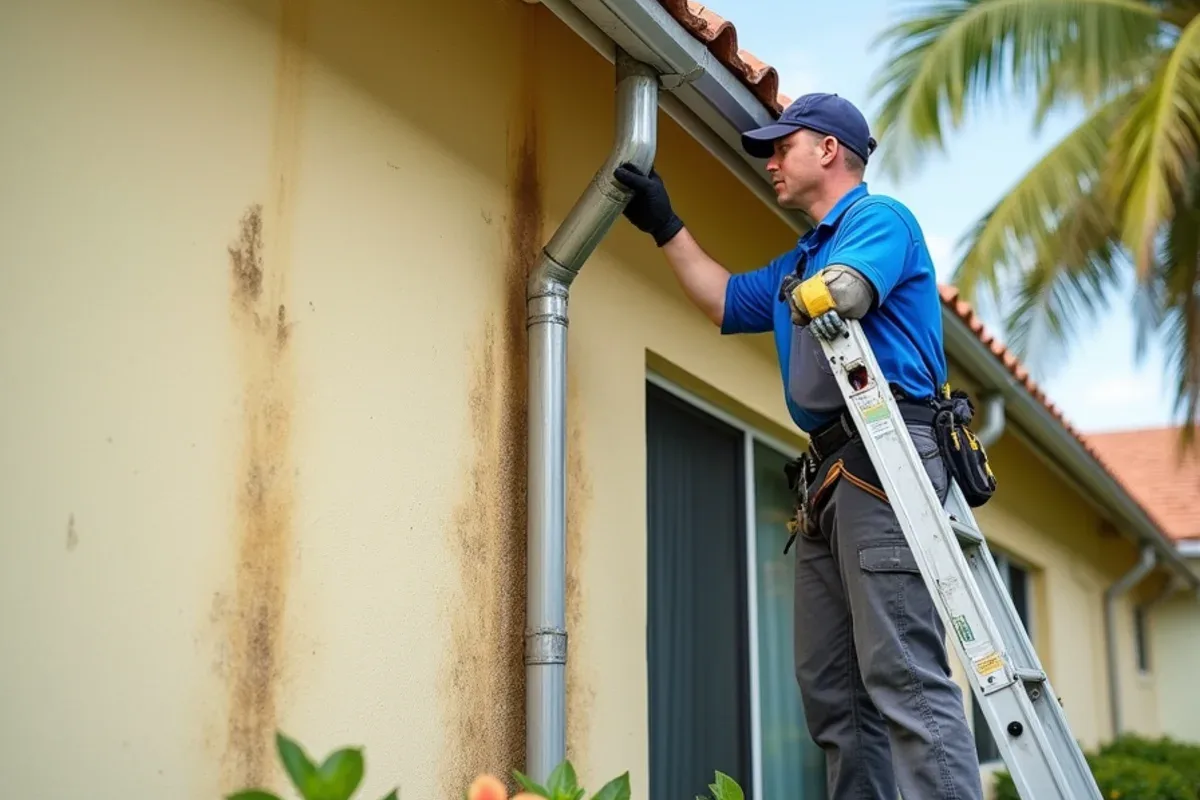
Dark vertical stripes on exterior walls, or a band of mildew right under the eaves, mean water is escaping behind or over the gutter. On block homes the stain is often the first visible clue, long before anyone climbs a ladder.
8. Washouts, puddles and soggy beds near the foundation
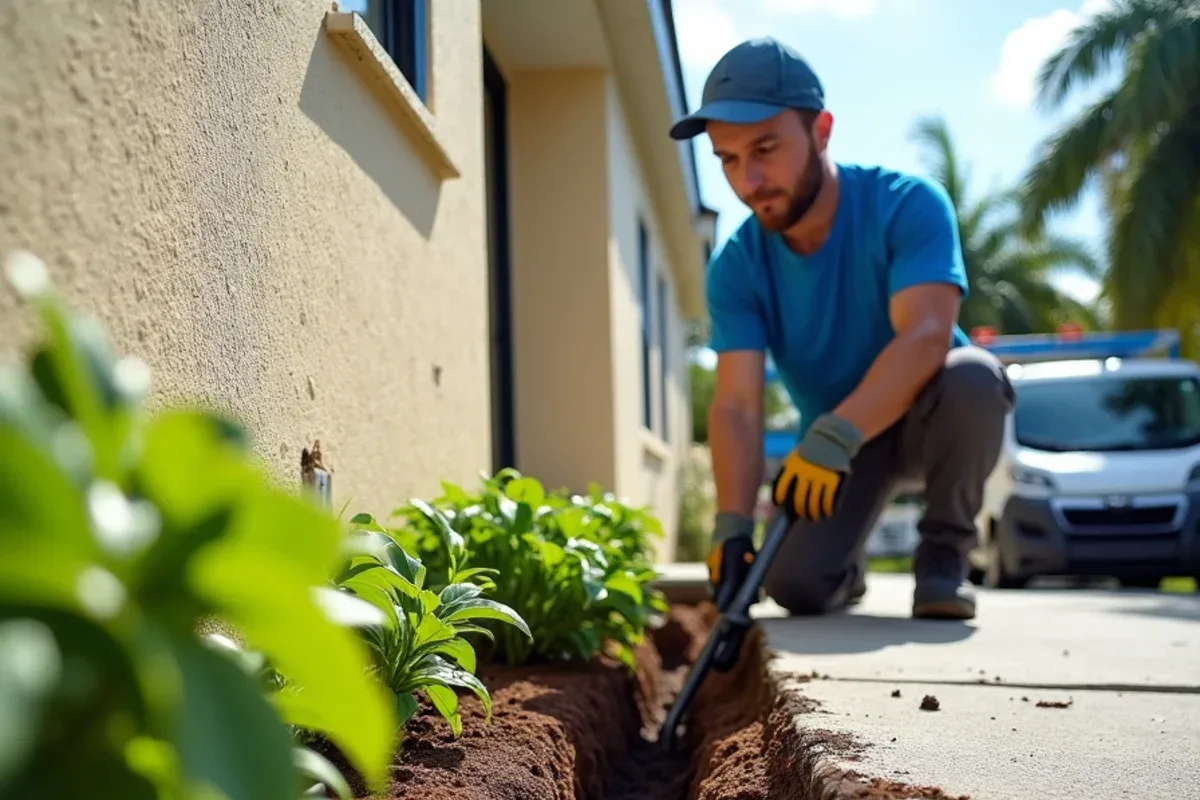
Trenches in the mulch, exposed roots, or a puddle that lingers by the slab after every storm all point to water dropping where the gutter should be carrying it. Sometimes the cause is a single downspout, which is a repair. When it happens along every side, the system is failing.
9. A pile of past repairs, or gutters that were never sized right
Mismatched patches, a mix of colors, extra downspouts added over the years and gutters that still overflow are signs the original system was undersized or simply worn out. At that point the money keeps going into a design that does not work for the roof.
Replace or repair gutters? A quick way to decide
Count how many of the nine signs apply and how widespread each one is. Local problems on an otherwise sound system are a job for gutter repair. Problems spread along several runs, or any rust-through, usually mean replacement is the better use of your money.
| Sign | Usually a repair when… | Usually a replacement when… |
|---|---|---|
| Leaking joints | One or two joints | Leaks at many joints on several sides |
| Sagging | First time, fascia is sound | Returns after re-hanging, or metal is bent |
| Finish problems | Fading only | Blistering with leaks underneath |
| Rust | Surface staining only | Pinholes or open holes |
| Cracks | One isolated crack | Several cracks, brittle vinyl |
| Fascia rot | Short section | Long runs of soft wood |
| Staining and washouts | One downspout area | Every side of the house |
For a deeper look at the trade-offs, see our post on gutter repair vs. replacement.
How long do gutters last in Florida?
There is no single number, because gutter lifespan in Florida depends on what the gutter is made of and how it has been treated. Seamless aluminum on sound fascia with stainless hardware commonly lasts for decades. Vinyl tends to give out much sooner in our sun. Galvanized steel is the shortest-lived near salt air, and copper outlasts all of them.
For a national benchmark, the National Association of Home Builders study of home component life expectancy puts aluminum and galvanized steel gutters at roughly 20 years on average and copper at 50 years or more. Read those as averages, not promises: constant humidity, salt spray and trees dropping seed pods can shorten them here, while good hardware and regular cleaning stretch them.
The bigger variable is care. A gutter that sat full of wet black olive leaves for years corrodes from the inside and pulls on its hangers with every storm. A gutter that was cleaned on schedule can look nearly new long after its neighbors have been replaced.
Roof work on the calendar?
If your roof is due for replacement in the next year or two, decide on the gutters at the same time. Old gutters often come down during reroofing anyway, and new ones should go up after the new drip edge.
What tips our crew from repair to replacement
On a service call we do not decide from the ground. We run a hose through each run, watch where the water goes, and press on the fascia at every hanger. The deciding question is simple: after we fix what we can see today, will the system still be sound next rainy season? If the honest answer is no, a patch is money spent twice.
The houses that go straight to replacement are usually the ones with original galvanized steel, where the trough bottom has thinned into a line of pinholes, or sectional runs carrying years of layered sealant over every connector. Fascia tells us the rest. One soft spot is a carpentry repair; soft wood behind most hangers means the gutters are coming down regardless.
Trade-offs worth hearing before you decide
- Partial replacement can look patchy. New pre-painted aluminum beside sun-faded runs rarely matches perfectly, even in the same color name.
- Tear-off can uncover more work. Rot hidden behind an old gutter only shows once it comes down, so a good quote explains how fascia repair is handled.
- Removal alone is an option, with a cost. We do take removal-only jobs, but without gutters a South Florida roof drops its water at the slab, so read whether you need gutters in South Florida first.
What old gutter replacement involves
Our gutter replacement service starts with a free estimate and a written quote. On the day of the job, the crew removes the old gutters, fixes or replaces any soft fascia, and forms new seamless aluminum gutters on site to the length of each eave. Downspouts are placed where the water can drain away from the slab, and the old material is hauled off.
We replace gutters on 1950s and 1960s block homes in Oakland Park and on similar postwar houses around Hialeah and the rest of Miami-Dade County, where original steel systems are still hanging on. Every new installation carries a 3-year workmanship warranty and a 20-year materials warranty.
Patch it or plan the replacement?
A single drip, one sagging section or a short piece of soft fascia is a repair, and we will tell you so. Leaks along several sides, rust holes, cracked vinyl and sagging that keeps coming back are the signals that the whole system has reached the end of its useful life.
If you are counting more than a couple of the nine signs, call Southern Gutters FL for a free estimate. We will test every run, photograph what we find and give you a written quote for repair, replacement or both, so you can decide with the facts in front of you.
Questions about when to replace gutters
Can I replace just one side of the house?
Yes. If one side has failed and the rest is sound, replacing that side alone is reasonable. We match the profile and color as closely as possible. If the other sides are showing the same signs, doing them together usually saves a second trip and keeps the system consistent.
Do I need new downspouts when I replace the gutters?
Usually it makes sense. Old downspouts are often 2x3, dented or partly clogged, and new gutters perform best with 3x4 downspouts placed where the water can drain away. We will reuse sound underground connections where they line up.
Can rusted gutters be repaired?
Surface rust stains can be cleaned and the spot monitored, but rust that has eaten pinholes or open holes through galvanized steel cannot be repaired reliably. Patches and sealant cover the hole while corrosion keeps spreading underneath, and on older South Florida homes the rest of the trough is usually just as thin. At that stage replacing the run, ideally with seamless aluminum on stainless hardware, is the lasting fix.
Should I replace gutters before or after a new roof?
After, in most cases. The roofer usually removes or disturbs the gutters to install new drip edge, and new gutters should hang beneath that finished edge. If your gutters are failing and a reroof is a year or two away, a short-term repair can carry them until then. Our guide to gutters before or after a new roof covers the timing in detail.
Services mentioned in this guide
Gutter Replacement
Rusted, leaking or undersized gutters swapped for seamless aluminum, with old runs hauled off and fascia checked first.
Learn moreGutter Repair
Leaking corners, loose hangers, bad pitch and tired end caps fixed with honest, repair-first advice.
Learn moreServing Oakland Park, Miami-Dade County and the rest of South Florida.