
By Chance, owner of Southern Gutters FL · Published · Last updated
Key takeaways
- Do not touch any gutter, downspout or debris that is near a downed or sagging power line.
- Photograph every elevation of the house before you move or cut anything.
- A hanging section is a falling hazard; secure or lower it from the ground if you safely can, or cordon it off.
- Exposed fascia and open roof edges let wind-driven rain into the soffit, so cover them quickly.
- Get a written repair estimate that itemizes gutters, downspouts and fascia separately.
In the first 48 hours after hurricane gutter damage, stay on the ground, keep clear of power lines and hanging sections, and photograph every side of the house before anything is moved. Then make the area safe, cover exposed fascia against the next rain band, report the loss promptly and get an itemized written repair estimate.
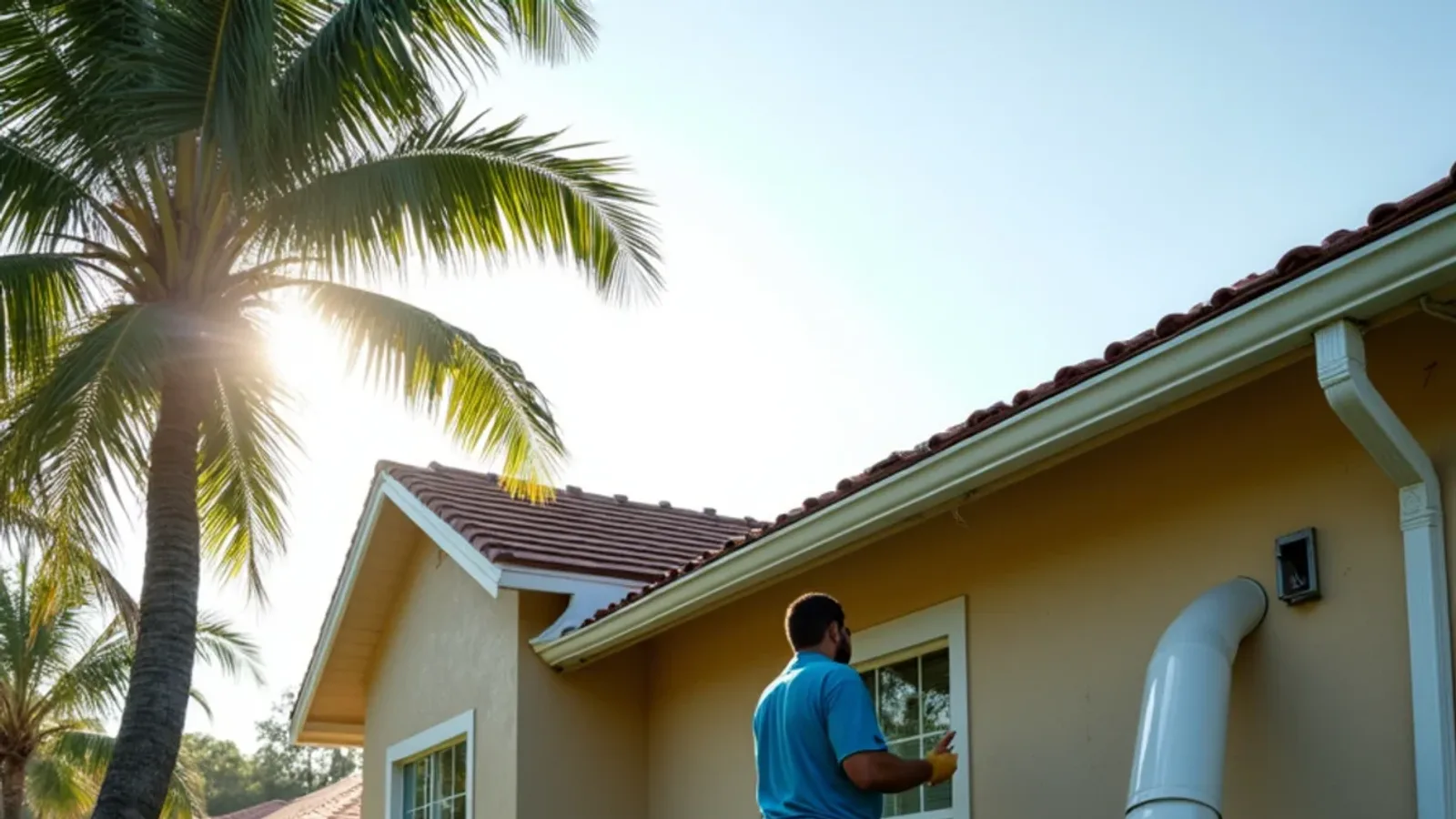
The wind has dropped, the bands have moved inland, and you finally step outside to see a gutter twisted along the eave or lying in the hedge. Knowing what to do about hurricane gutter damage in the first two days makes a real difference, both to your home and to any claim you file later.
Below is the order we would follow on our own houses after a storm, broken into time blocks. It assumes power may be out, neighbors are busy with their own damage, and contractors across South Florida are getting flooded with calls. Safety comes first, documentation second, temporary protection third, and permanent repair after that.
Hour zero: the hazards to check before you inspect anything
Storm damaged gutters are rarely the most dangerous thing in the yard. Before you look up at the roofline, look around you.
- Power lines. A gutter or downspout touching a service drop can be energized. Stay well back and report it to your utility.
- Standing water. Water in the yard can hide debris, broken glass and live wiring.
- Overhead hazards. Partly detached gutter sections, cracked roof tiles and hung-up palm fronds can fall without warning as gusts continue.
- Generators. Keep any generator outdoors and well away from windows and doors; never run it in the garage.
No ladders yet
Gusts often linger for a day after a hurricane passes, and roofs are slick with debris. Plan on doing everything in the first 48 hours from the ground.
Hours 1 to 12: gutter damage photos insurance adjusters can use
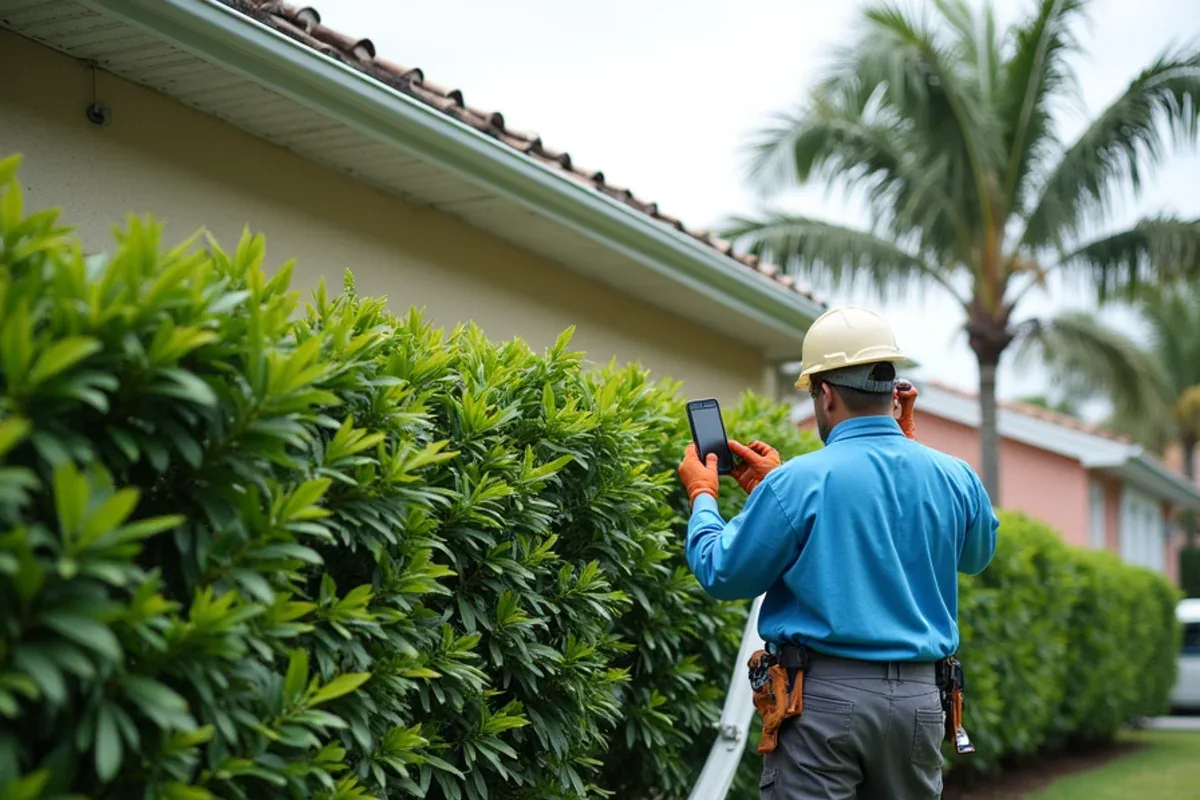
Before you drag a single bent section out of the flower bed, document it where it landed. Adjusters and contractors both need to see the damage as the storm left it, and once the cleanup starts you cannot recreate it.
- Stand back and shoot each side of the house in one wide frame, with the full roofline visible.
- Walk the perimeter and take medium shots of every damaged run, showing where it attached and where it ended up.
- Get close-ups of torn hangers, pulled screws, split miters, crushed downspouts and any bare or broken fascia.
- Photograph debris that struck the gutters: limbs, roof tiles, fence panels from next door.
- Turn on the date stamp or keep the original files, and add a short video walkthrough narrating what you see.
- Note interior stains or drips on walls near the damaged runs.
How coverage works is a question for your insurer, not for us. Our separate guide on how Florida policies usually treat gutter damage explains hurricane deductibles in general terms and what to ask your agent.
Hours 12 to 24: making wind damaged gutters safe
Once you have photos, the goal shifts to stopping things from getting worse. You are not repairing anything yet. You are preventing a fall, a puncture or more water getting into the house.
Hanging sections
A section dangling by one or two hangers will swing and hammer the wall in every gust. If it is low enough to reach from the ground and nowhere near wiring, you can sometimes lower it gently onto the lawn. If not, rope off the area below it and keep kids and pets out of that side of the yard.
Downspouts and drainage
A crushed or missing downspout dumps the whole roof's runoff at the foundation. Point any remaining downspouts away from the house and clear storm debris from the outlets you can reach, so the next rain band drains properly.
| Time window | Focus | Do | Avoid |
|---|---|---|---|
| 0 to 1 hour | Personal safety | Check for lines, water, falling debris | Ladders, touching metal near wires |
| 1 to 12 hours | Documentation | Wide, medium and close photos plus video | Moving or cutting damaged pieces first |
| 12 to 24 hours | Make safe | Lower or cordon off hanging runs | Climbing onto a wet or littered roof |
| 24 to 48 hours | Protect and plan | Cover open fascia, call your insurer, get estimates | Signing anything you have not read |
Hours 24 to 48: protect the fascia and start the repair
When a gutter tears off, it often takes a strip of drip edge or fascia paint with it, and sometimes cracks the fascia board itself. Bare wood at the roof edge soaks up the next squall line quickly, and water can track into the soffit and the top of the wall.
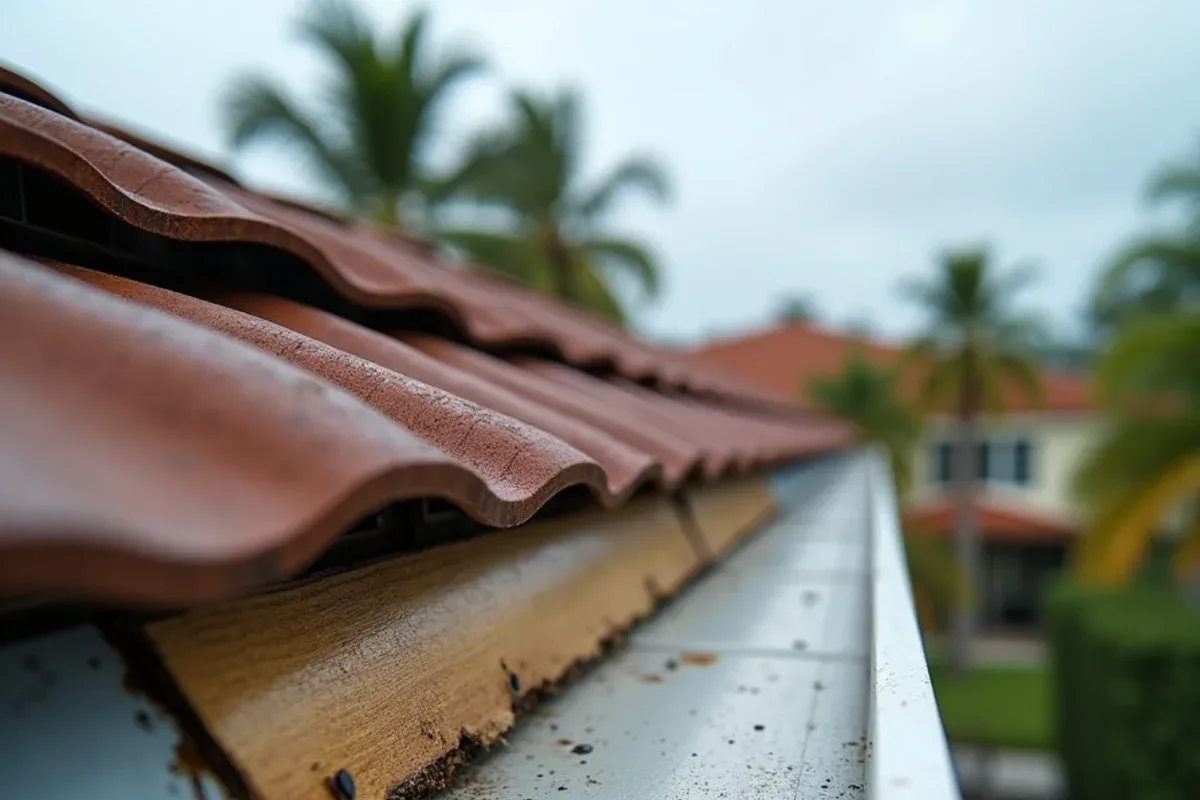
A temporary cover over exposed fascia, done by someone who can safely work at the roof edge, buys time. This is also the window to report the loss to your insurer, if you plan to, and to start lining up written estimates.
Our hurricane gutter damage repair visits start with exactly that: securing what is left, covering open edges, and then measuring for the permanent fix. After a storm, the schedule fills fast, so we work through make-safe calls as quickly as the schedule allows and are honest about timing when you call.
Gutter emergency repair: what happens once a crew arrives
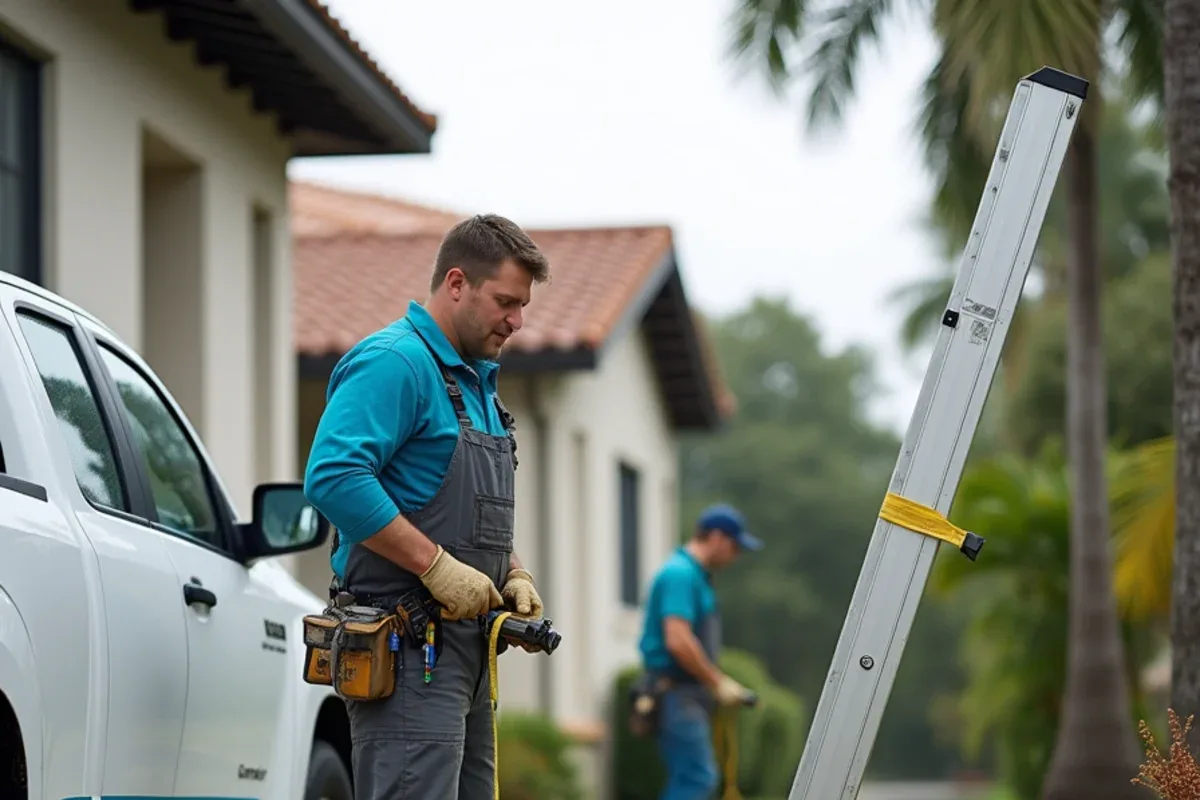
A good post-storm visit should leave you with three things: a safe roof edge, a clear picture of what was damaged, and a written scope you can share with your insurer or keep for your records.
- Remove or re-secure hanging sections and any debris lodged in the remaining gutters.
- Inspect the fascia board behind every run for cracks, soft spots and pulled fasteners.
- Check the drip edge and the first course of roofing along each damaged eave.
- Measure the runs, count downspouts, elbows and corners, and photograph everything again.
- Write up an itemized estimate separating gutters, downspouts, fascia and any soffit work.
Coastal neighborhoods take the hardest wind. After storms, we see a lot of this work along the barrier-island side of Pompano Beach and in older east-side Hollywood, and we cover homes up through Palm Beach County as well.
After the first two days: avoiding the common post-storm mistakes
- Do not throw away damaged gutter pieces until your insurer or adjuster says it is fine to.
- Be wary of anyone knocking on doors offering to handle your claim or skip your deductible; Florida law restricts contractor offers like that.
- Ask any contractor for a written estimate, their county license details and a certificate of insurance.
- Do not let a quick reattachment hide cracked or soft fascia; the gutter will pull loose again.
Most homeowner policies also expect reasonable steps to protect the property from further damage after a loss, which is one more reason to cover open roof edges early and keep the receipts for whatever you buy to do it. Florida law, in section 627.70132 of the Florida Statutes, limits how long you have to give notice of a windstorm or hurricane claim, and your policy may ask for faster notice than that. Check the current rule with your agent rather than relying on a neighbor’s experience from an earlier storm.
What we see on South Florida roofs after a hurricane
The aluminum is rarely what fails first. On most post-storm calls the gutter let go where it was fastened: old spike-and-ferrule hangers that worked loose over the years, screws driven into fascia that was already soft, or a single strap holding a tall downspout to the wall. When a long run fills with storm water and debris, that weak point gives way and the wind does the rest.
Repair or replace? The honest answer depends on the metal
- Pulled off but straight: if the run came down in one piece without kinks, it can often be re-hung into sound fascia with hidden hangers and stainless screws.
- Kinked or creased: a bent seamless run seldom straightens cleanly, and a crease becomes a low spot that holds water. That section is usually replaced.
- Split miters and crushed downspouts: corners and drops are the parts we replace most often, even when the long runs survived.
- Soft or cracked fascia: the wood has to be fixed before anything is reattached. Our fascia board repair handles that first, because new hangers in rotted wood just repeat the failure.
- Gutters that look fine: runs still on the house can be packed with shredded fronds, roof grit and tile fragments, and the added weight pulls the pitch out of line.
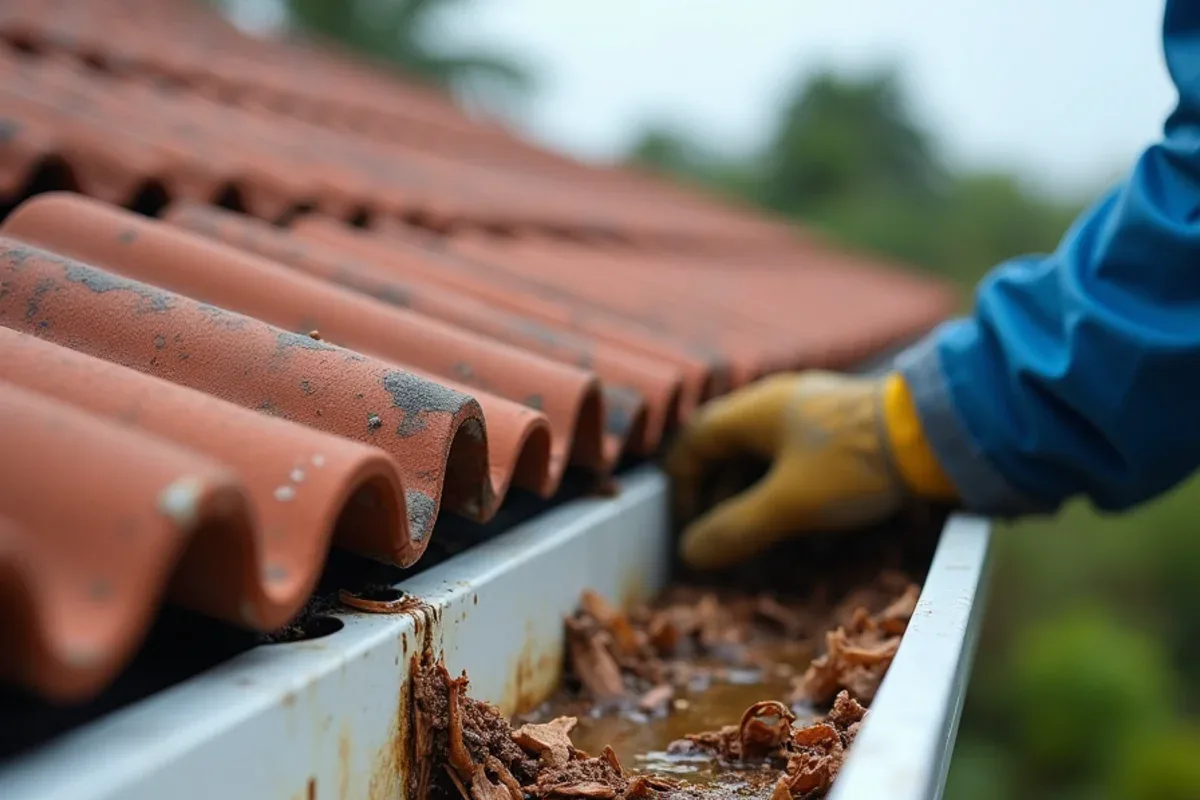
That last point catches people out. A gutter that survived the wind can still overflow in the first afternoon storm after the hurricane, which is why our post-storm debris clean-out clears and flow-tests the runs that are still attached, not only the damaged ones. We also keep anything we judge to be older wear separate from what the storm clearly caused, so the written scope stays honest and easy for an adjuster to follow.
Two days, done in the right order
The first 48 hours after a hurricane are about order, not speed. Stay safe, photograph everything where it fell, keep hanging sections from becoming hazards, and get bare fascia covered before the next squall line. A repair started from a solid photo record and an itemized estimate goes smoother for you, your insurer and the crew doing the work.
When the roads are clear and you are ready for a make-safe visit or a written repair estimate, call Southern Gutters FL. We are a family-owned crew working out of North Lauderdale, and we schedule storm calls as quickly as the calendar allows, with honest timing from the first phone call.
Questions about hurricane gutter damage what to do
Should I remove a damaged gutter myself after a hurricane?
Only if it is low, light and nowhere near wiring, and only after you have photographed it in place. Anything at second-story height, on a tile roof or near power lines should wait for a crew. Your safety and a clean photo record both matter more than speed.
How soon should I report storm gutter damage to my insurer?
Report it promptly once everyone is safe. Florida sets time limits on reporting property claims, and your policy explains its own notice requirements. Your agent or insurer can tell you exactly what they need and by when.
Can a bent gutter be straightened after a storm?
Rarely well. Seamless aluminum that has been kinked or creased keeps a weak, low spot even after it is bent back, and that spot holds water and debris. A run that came off in one straight piece can often be re-hung, but creased sections, split corners and crushed downspouts are normally replaced. We show you which is which on site before writing the estimate.
What should a post-hurricane gutter estimate include?
It should list each damaged run by length, plus downspouts, elbows, corners and end caps, with any fascia, drip edge or soffit work on separate lines. Photos taken before and during the visit should go with it. An itemized scope lets you compare contractors fairly and gives your insurer, if you file, a clear picture of what the storm damaged.
Services mentioned in this guide
Hurricane Gutter Damage Repair
Wind-peeled, bent and detached gutters repaired or replaced after named storms, with photos documenting the damage.
Learn morePost-Storm Debris Clean-Out
Branches, fronds and roof grit cleared from gutters and roof edges after a storm, followed by a photographed damage check.
Learn moreFascia Board Repair & Replacement
Rotted fascia cut back to sound wood, new boards primed and finished, and gutters re-hung tight in one visit.
Learn moreServing Pompano Beach, Hollywood and the rest of South Florida.